Beyond Documentation: How Architectural Photography Shapes Meaningful Third Spaces
16.07.2026
/
4 min
Beyond Documentation: How Architectural Photography Shapes Meaningful Third Spaces
Public architecture is often experienced before it is ever entered. It is met through images, on websites, design publications, or online platforms. In dense cities like Sydney, these first impressions often shape whether a place feels open or unapproachable, familiar or out of reach.
This is where architectural photography moves beyond neutrality.
When approached with intent, it becomes a form of spatial communication, translating design into experience and helping communities recognize places they can enter, inhabit, and return to. In the context of third spaces, photography plays a quiet but influential role in placemaking, shaping perception well before physical engagement.
Using Green Square Library as a case study, this article explores how architectural photography contributes to placemaking by revealing third spaces and shaping perception long before they are experienced in person.
Why Third Spaces Matter
Third spaces, or the communal spaces that exist beyond home and work, are fundamental to urban life. Libraries, community centers, and civic buildings offer a sense of community and belongingness through informal interaction, quiet refuge, and shared presence. Rather than spectacle, their worth is measured through accessibility and presence in daily life.
Yet many well-designed public spaces remain underused. This is not always a failure of architecture, but often a failure of perception. When a space appears overly formal or exclusive, communities may struggle to recognize it as somewhere they are welcome. In dense cities, where attention is limited, people rely heavily on visual and psychological cues to decide where they feel comfortable spending time.
Here, visual cues become central to placemaking, the process of shaping meaningful connections between people and public spaces. They communicate who a place is for, how it is intended to be used, and whether entry feels open or guarded. When this openness is conveyed intuitively, third spaces are more readily occupied, revisited, and sustained over time.
Photography plays a role in this process not by embellishing architecture, but by clarifying its invitation.
Architectural Photography as a Form of Spatial Communication
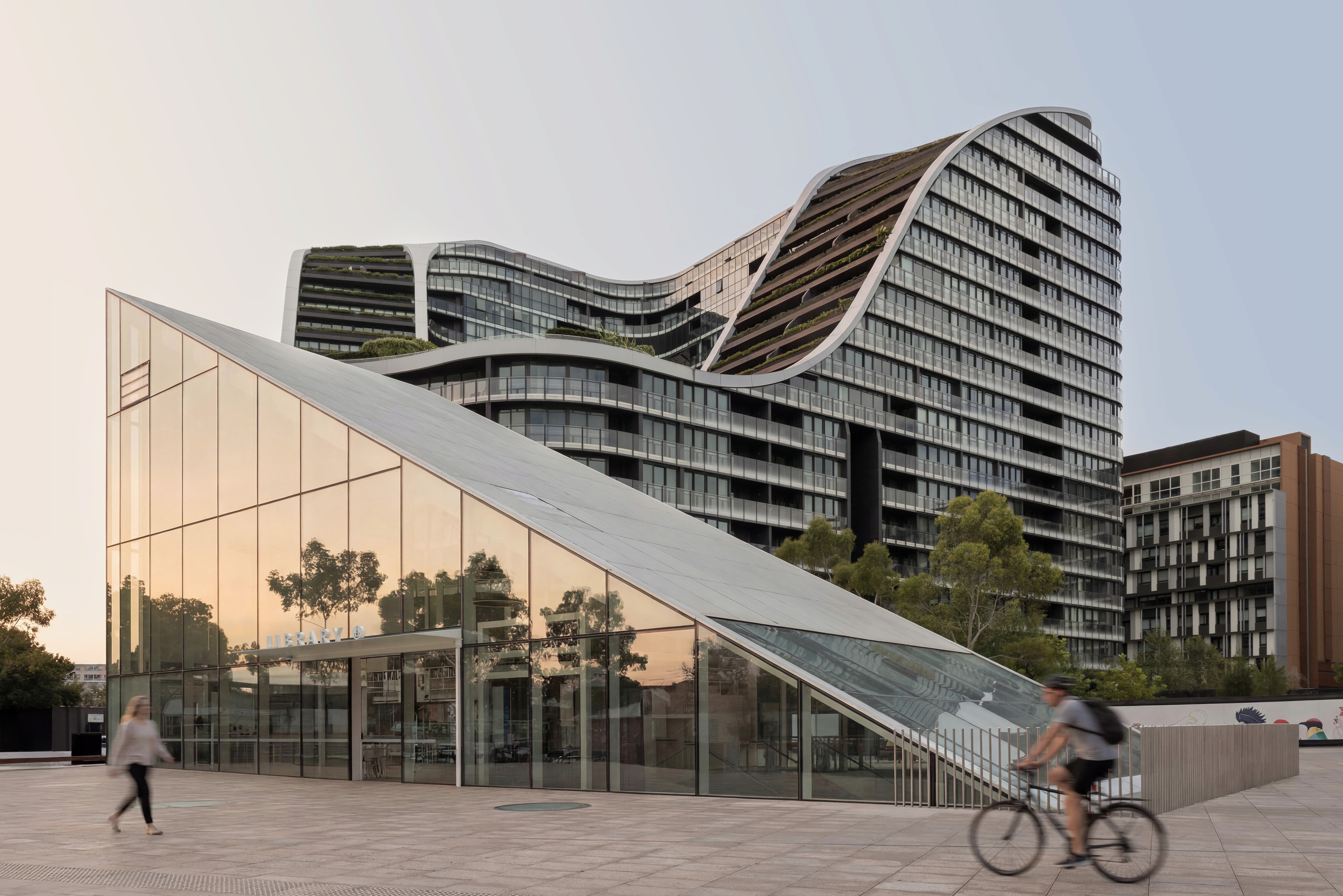
Pictured above: Green Square Library’s light-filled design gently blurs the boundary between inside and out, extending into the public plaza. Captured at street level, movement, reflections, and people bring the building into the flow of city life. © Continuous Creative
Architectural photography is often seen as a means of representation, in digital or print form, however its role extends beyond simple documentation in public architecture.
In an era shaped by social media and constant scrolling, impressions of a space are often formed before it is ever experienced in person. Imagery plays a central role in this, through framing, timing, and scale, it shapes whether a place feels open or distant, warm or formal.
Photographing civic spaces without people can convey calmness, yet it may also introduce a sense of detachment from the communities these places are designed for. In contrast, images that include everyday use, people reading in quiet corners, passing through, or pausing to notice details, feel more inviting. They reinforce that occupation is not a disruption of architecture, but an essential part of its purpose.
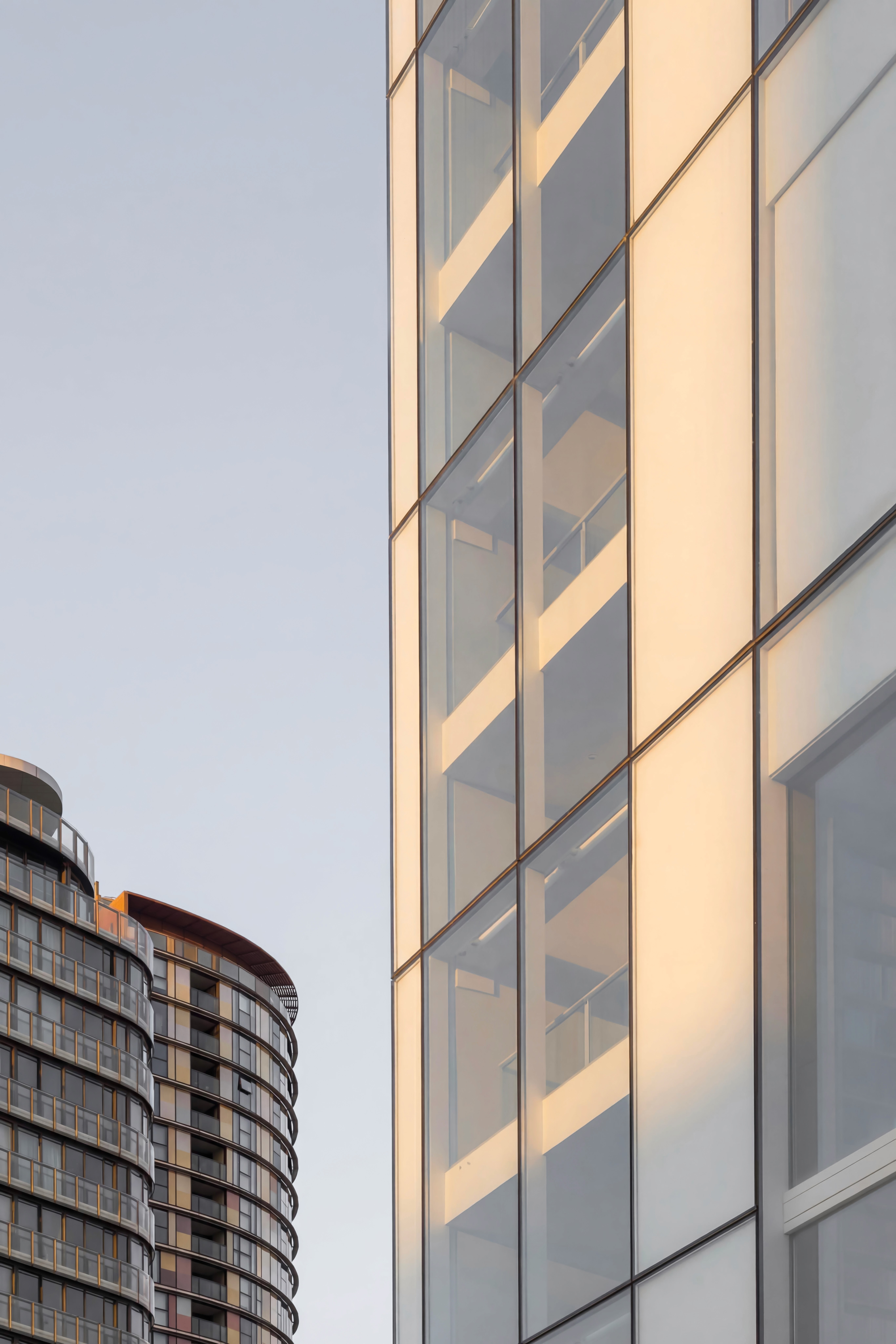
Light and material can carry this message. Natural light softens the formality of a space, allowing spaces to feel more inviting, while drawing out textures that reframe architecture as approachable rather than monumental.
At its best, architectural photography goes beyond depicting physical spaces, it translates spatial intent for those forming a first sense of connection to a place.
Green Square Library as a Third Space
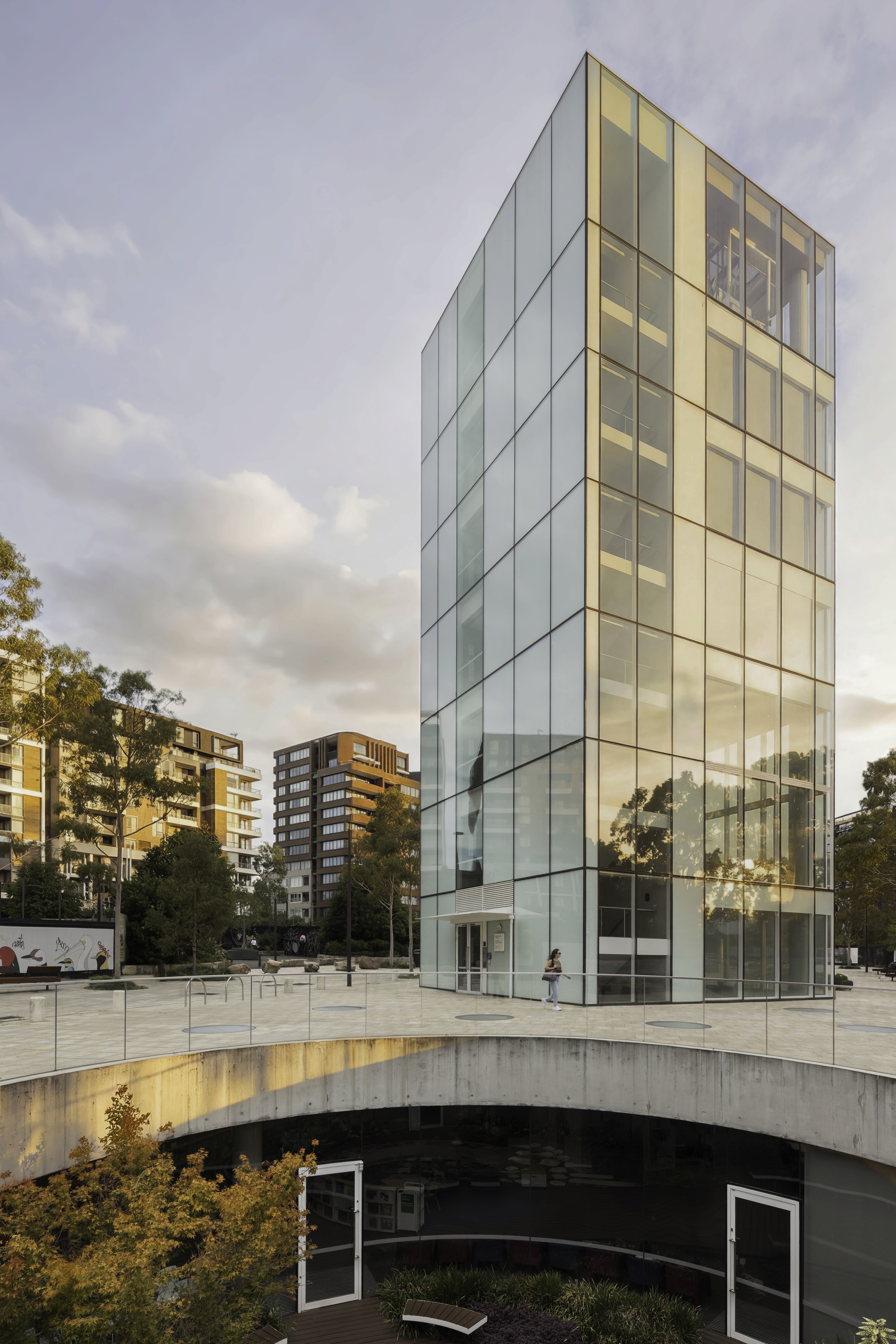
Pictured above: Architecture and photography meet in the way scale is experienced. The wide-angle shot shows the library merging with the plaza, revealing how a “third space” feels less like a destination and more like a natural extension of the street. © Continuous Creative
Green Square Library sits in one of Sydney’s fastest-growing urban centers, shaped by density, movement, and diverse community life. Its significance lies not in iconic form, but in how it functions as a shared civic interior.
As a third space, the library accommodates multiple rhythms; quiet reading, informal gatherings, solitary reflection, and collective presence. Openness is shaped through transparency, clear circulation, and natural light, and experienced through everyday use.
Photographs refocus the narrative from the building's formal structure to its use, revealing patterns of occupation and interaction. Instead of emphasizing architectural dominance, the sense of scale is conveyed through human engagement: a person quietly reading by a window, an informal gathering, or a casual stroll. These captured moments highlight the building's functionality and its relationship with the people who inhabit it.
This approach shifts perception. A formal institution becomes a shared, comfortable resource for gathering and connection. In a dense urban context, it shows how public architecture can be inclusive and intentional, without being distant.
The Photographer’s Role in Placemaking
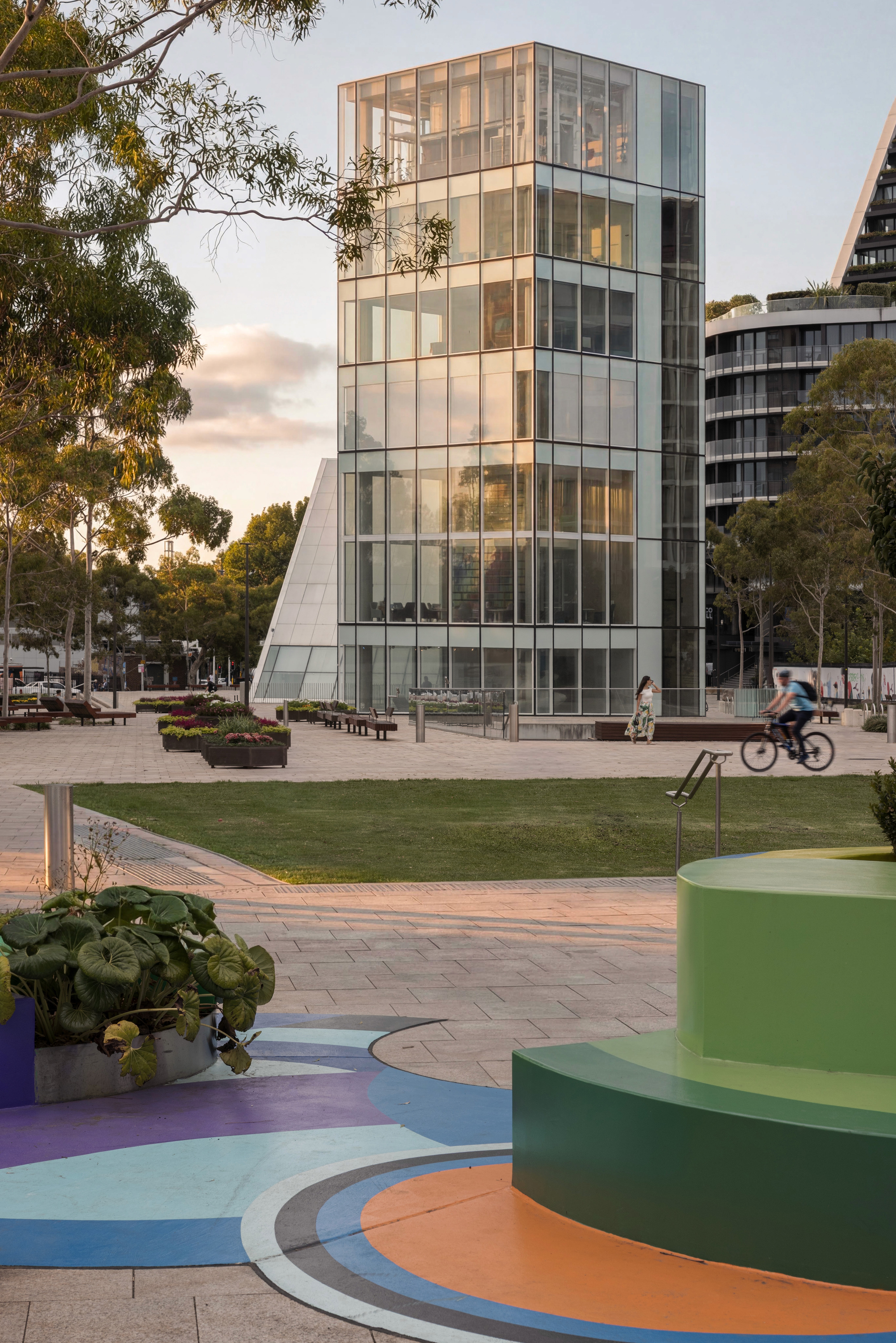
Pictured above: Through careful framing, the image highlights textures and pathways that guide movement. The wide view of the colorful plaza installations draws people in, showing how architecture and art turn the square into a shared experience. © Continuous Creative
Placemaking is often framed as a design process or planning outcome, but it is also perceptual as it depends on whether people feel invited to participate in a space.
Architectural photographers play a distinct role in this process, shaping perception through images long before a space is experienced in person. Through careful observation, they choose which moments to reveal, and which narratives quietly emerge.
This approach relies on restraint. Rather than amplifying form or drama, the photographer responds to how the space is used. Light, material, and human presence shape the image, reinforcing the sense of belonging the architecture creates. The result is a space shown not only as designed, but as lived.
What this means for Cities like Sydney
As cities grow, quality shared spaces can decline, increasing the demand for meaningful third spaces. Libraries and other civic interiors become essential infrastructure for social wellbeing. Access to these spaces begins with recognition. Before a place can be used, it must first feel approachable.
Architectural photography plays a quiet but important role in this process. When images prioritize lived experiences, they soften psychological barriers and make spaces feel more accessible. Openness is communicated not through signage, but through familiarity. Photography does more than record buildings; it helps shape how communities relate to the surrounding environment.
Placemaking does not end when a building opens. It continues through use, perception, and representation.
The next time you encounter an image of a public space, consider what draws your attention first, light, material, or the presence of people. That initial moment of recognition may be where placemaking begins.
[ Other magazine ]