Framing the Wild: Architecture as a Lens for Landscape
16.07.2026
/
4 min
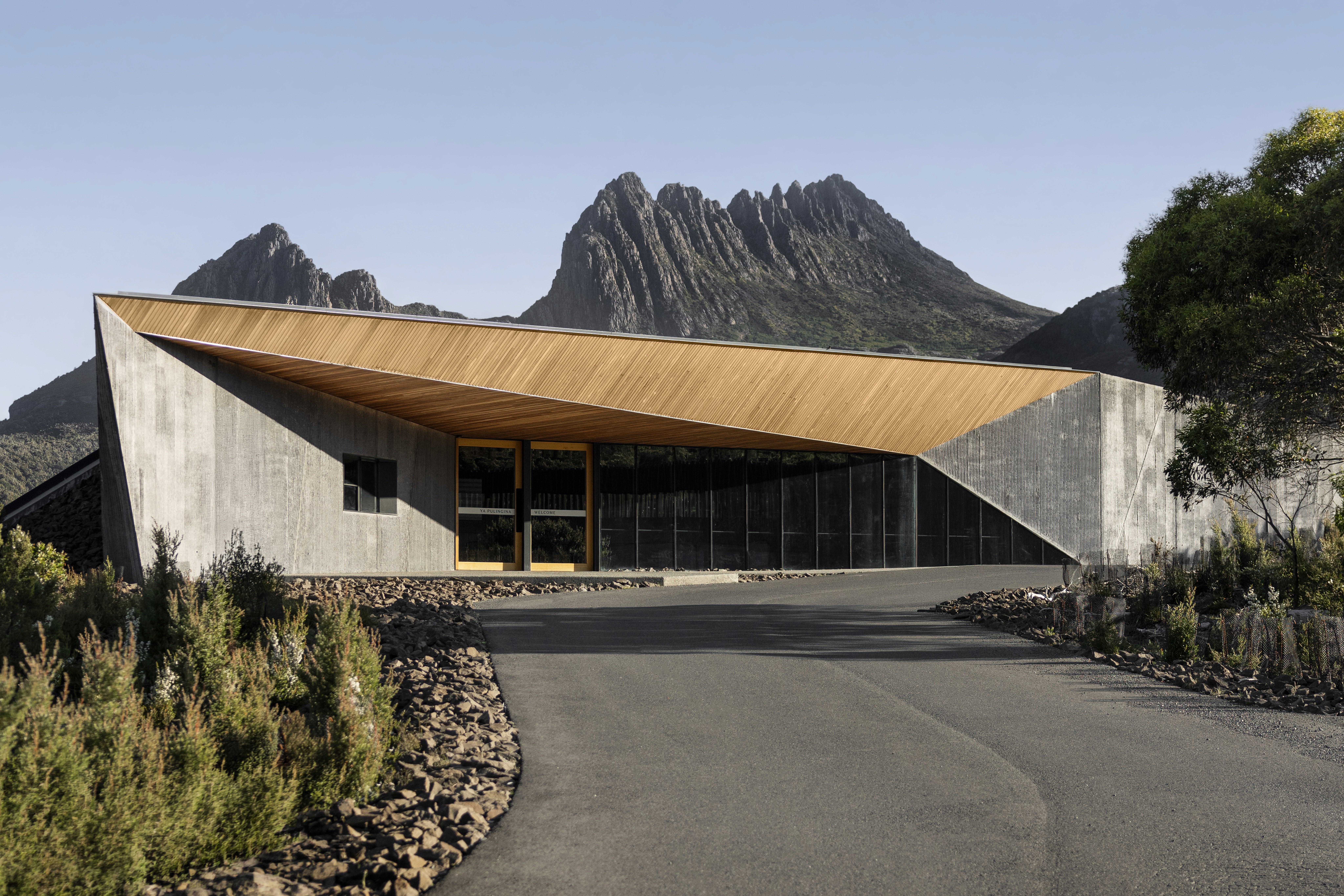
In photo: Compositional alignment. The curve of the access path draws the eye toward the structure's sharp geometry, which in turn frames the ancient geology of the park as the true centerpiece.
There’s a difference between looking at a landscape and seeing it.
Looking is passive. Seeing requires attention.
At the Dove Lake Interpretation Centre, architecture helps make that shift. It doesn’t compete with the landscape. It shapes how it’s experienced.
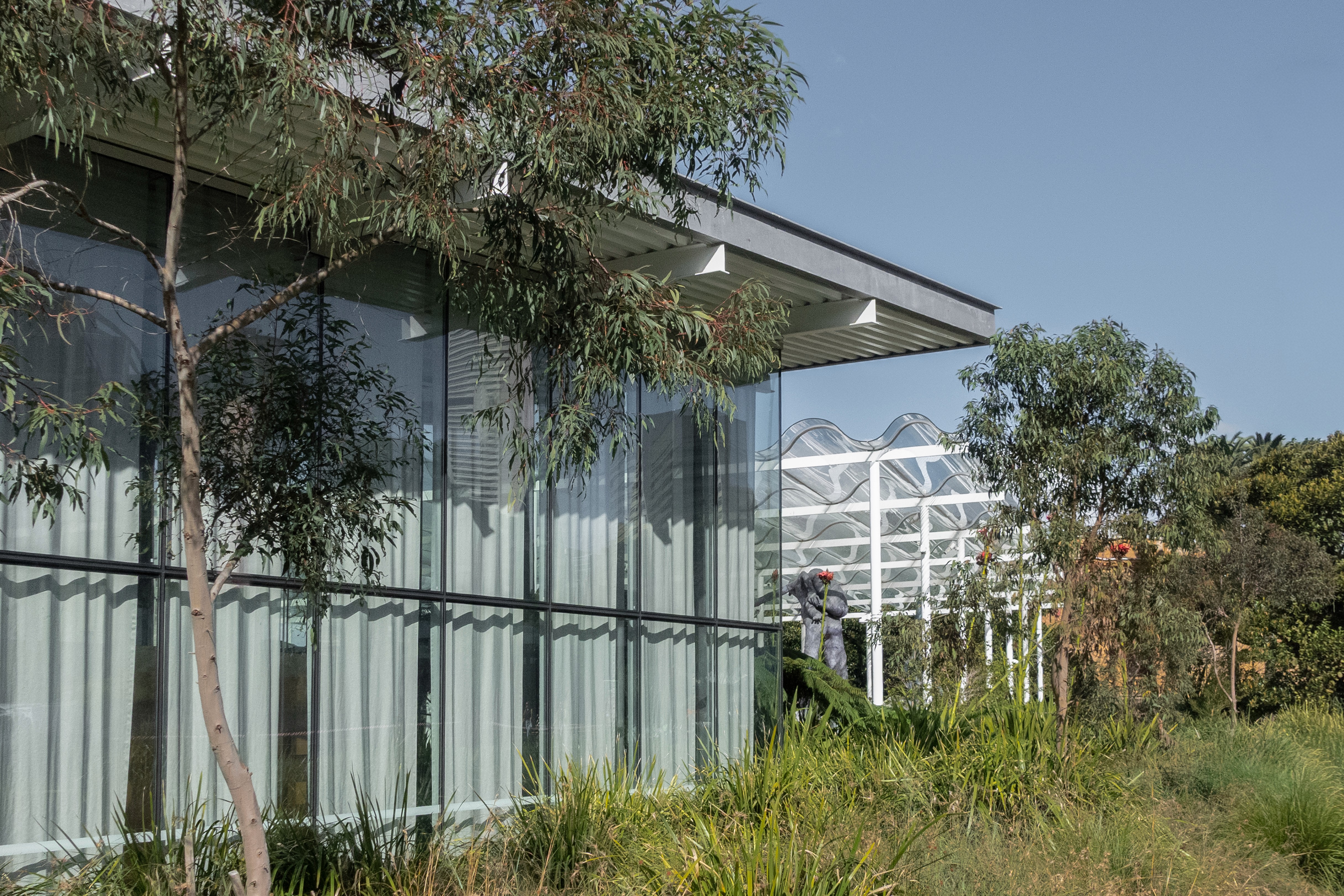
Set within Cradle Mountain - Lake St Clair National Park, the building takes a quiet approach. It acts as a lens, framing and refining how the landscape is understood. Through its glazing and reflective surfaces, the structure begins to dissolve into its surroundings, pulling in the tones and textures of native grasses, sky, and water.
The Landscape as Composition
The terrain around Dove Lake is constantly changing.
Light moves quickly. Clouds soften or sharpen the peaks. The lake shifts between still reflection and movement.
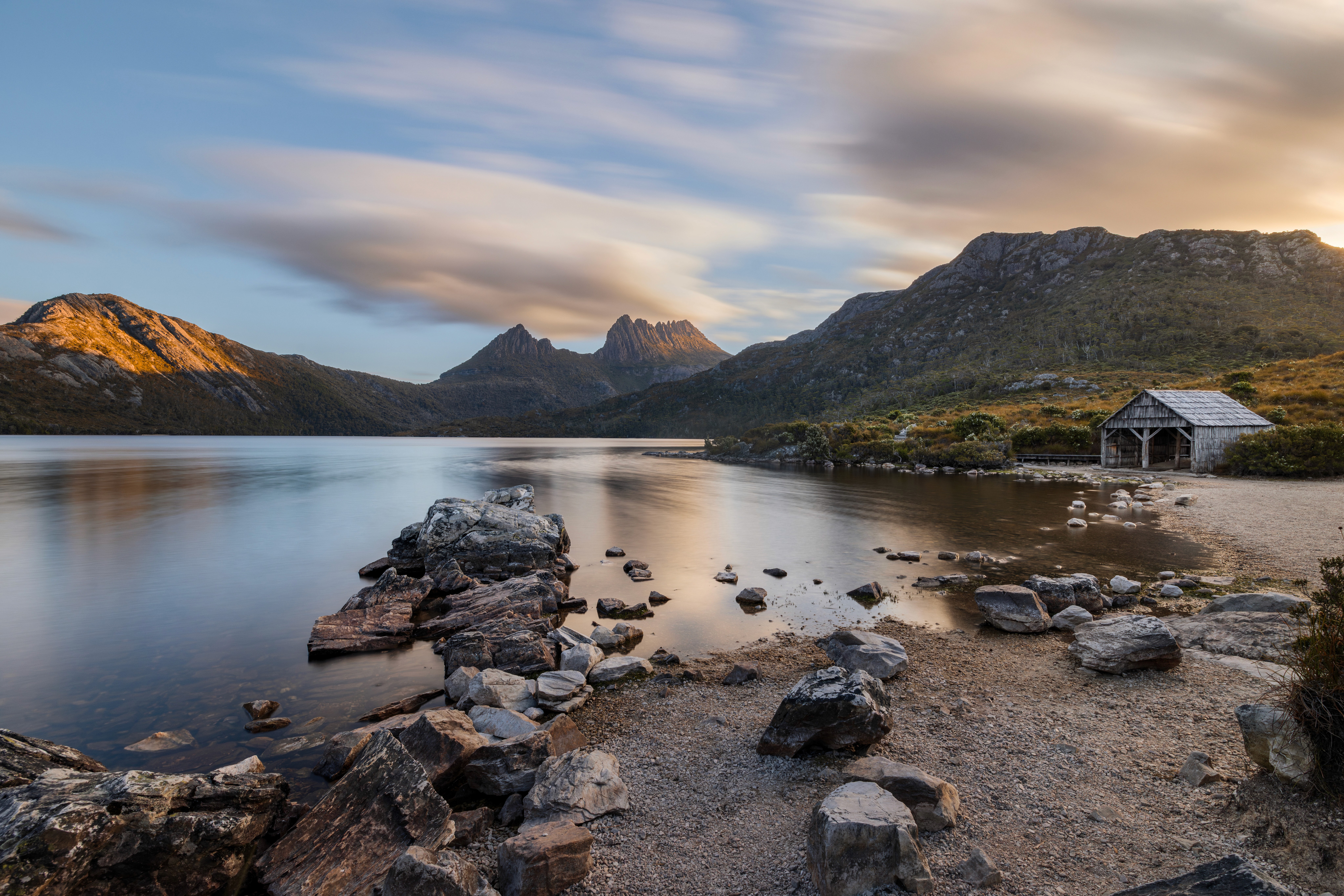
In photo: The frame within the frame. By positioning the boatshed at the intersection of the shoreline and the rising mountain slopes, the architecture provides a human scale to the vast, atmospheric composition of the park.
This variability defines the site.
The architecture doesn’t fix a single view. It responds to what’s already there. The landscape remains the subject, carefully framed rather than controlled.
For photographers, the approach shifts. There’s no single perfect shot, only moments where light and landscape briefly align.
Architecture as Viewfinder
When architecture is designed to interpret, it becomes a tool rather than the subject.
It works like a camera. Walls frame views, openings guide focus, and movement unfolds as a sequence of composed moments.
Large areas of glazing mirror the surrounding vegetation and sky, allowing the building to blend into the landscape. At times, it feels less like an object and more like an extension of its environment.
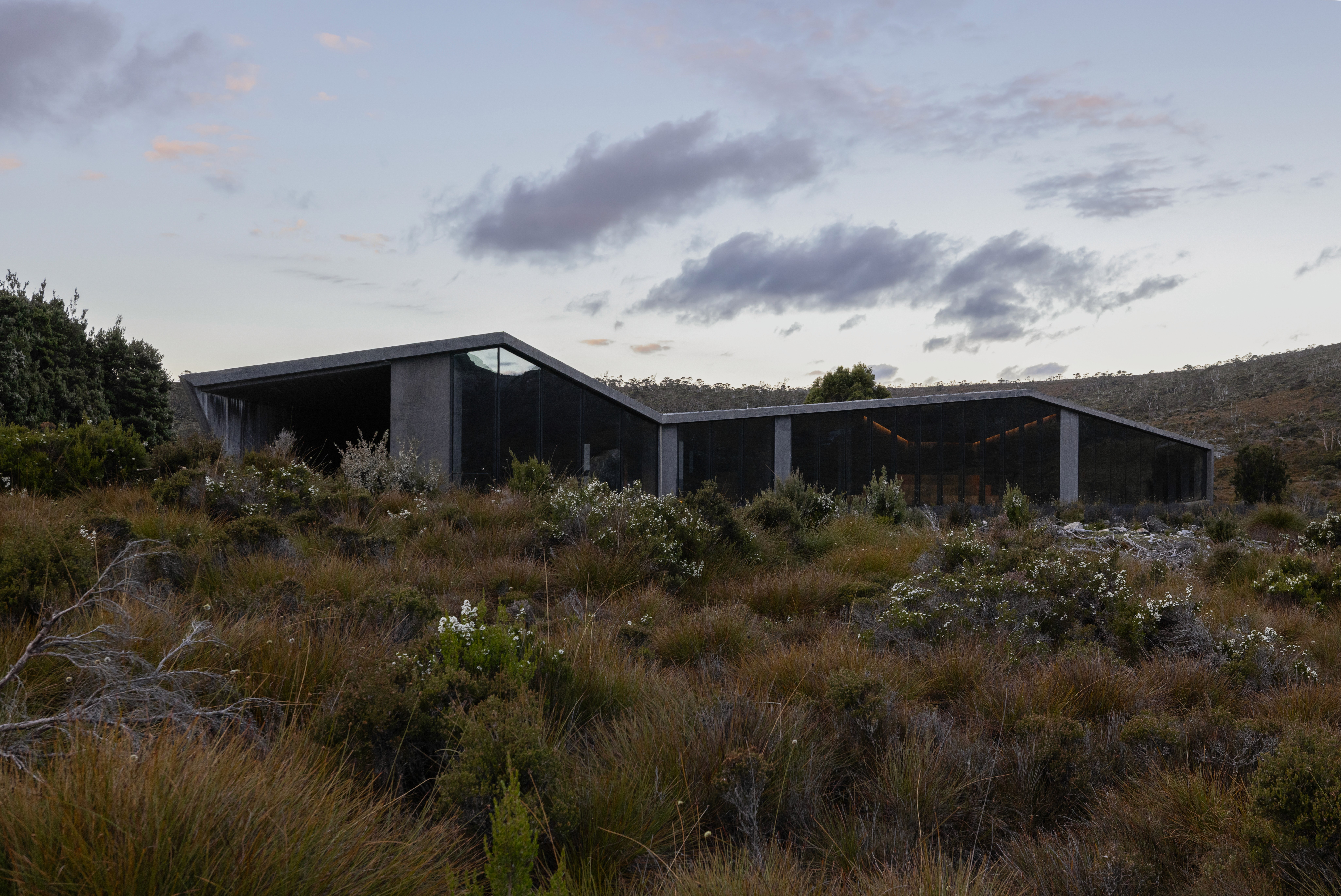
In photo: The power of a restrained palette. The muted, weathered tones of the concrete allow the structure to step back visually, ensuring the vibrant, shifting colors of the landscape remain the primary subject.
A restrained palette reinforces this. Timber and muted finishes recede, keeping attention on what sits beyond.
The building steps back, so the landscape takes focus.
Movement as Narrative
The experience unfolds in sequence, not in a single reveal.
As you move through the space, views are held back, then released. Compression and openness create a quiet rhythm.
Perception is shaped by movement, not just position.
The architecture feels cinematic, building meaning over time.
For photography, the focus shifts to transitions, where light changes, paths turn, and views gradually emerge.
Quiet Architecture, Stronger Landscape
The project’s strength lies in restraint.
It avoids bold gestures, instead working through reduction, removing distractions so the landscape reads more clearly.
A minimal palette, controlled openings, and simple forms keep the building visually quiet. Reflections across the glazing further soften its presence, layering the surrounding landscape over the architecture itself.
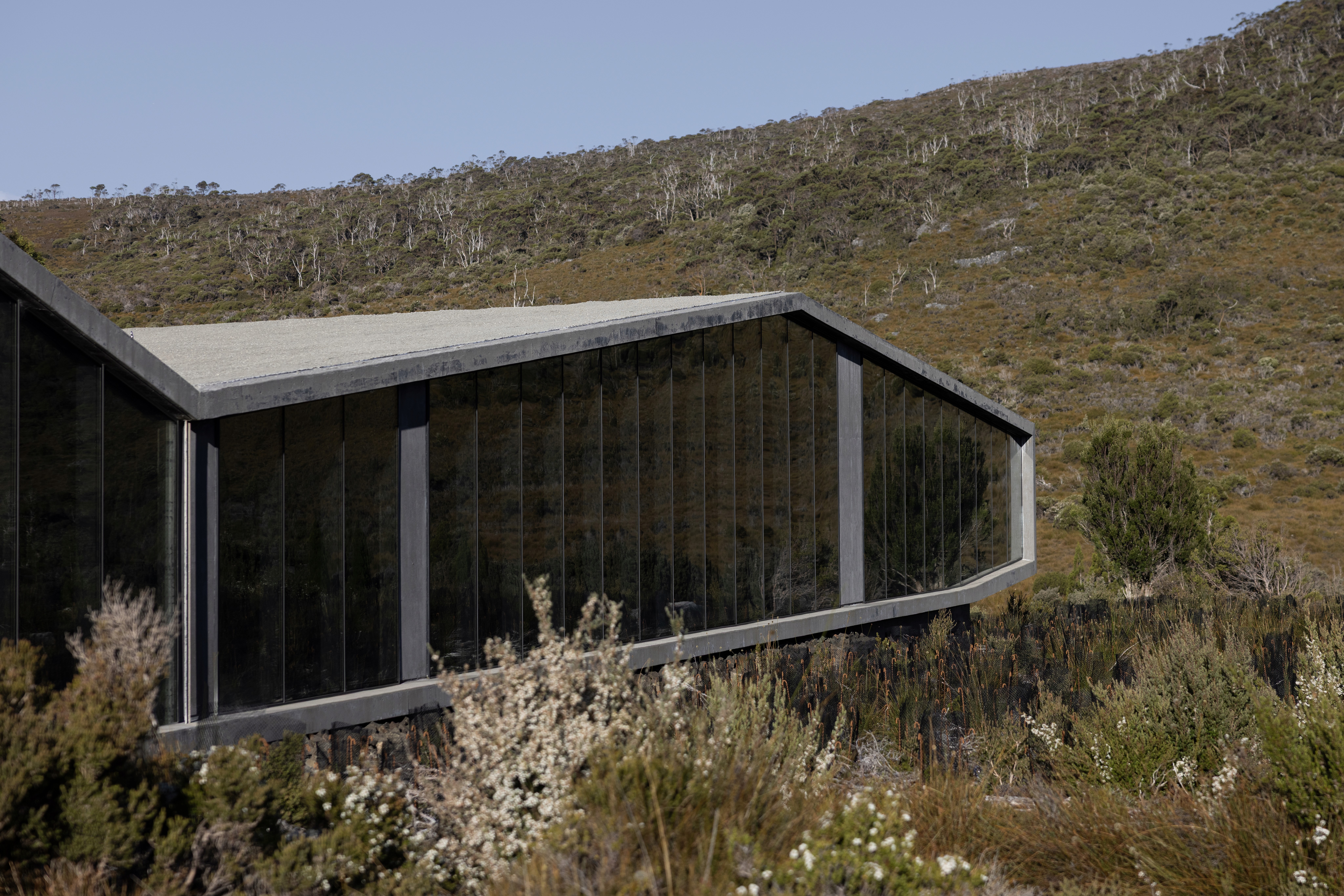
In photo: Captured from a low vantage point, the building’s sharp edges frame the wildness of the terrain, illustrating a design philosophy that prioritizes the identity of the place over the ego of the form.
This restraint heightens sensitivity to change. Shifts in light, weather, and texture become more noticeable because nothing competes with them.
The architecture reinforces the identity of the place rather than redefining it.
Notes for Architectural Photography
Seen through this lens, photographing architecture in natural settings becomes less about documentation and more about framing perception.
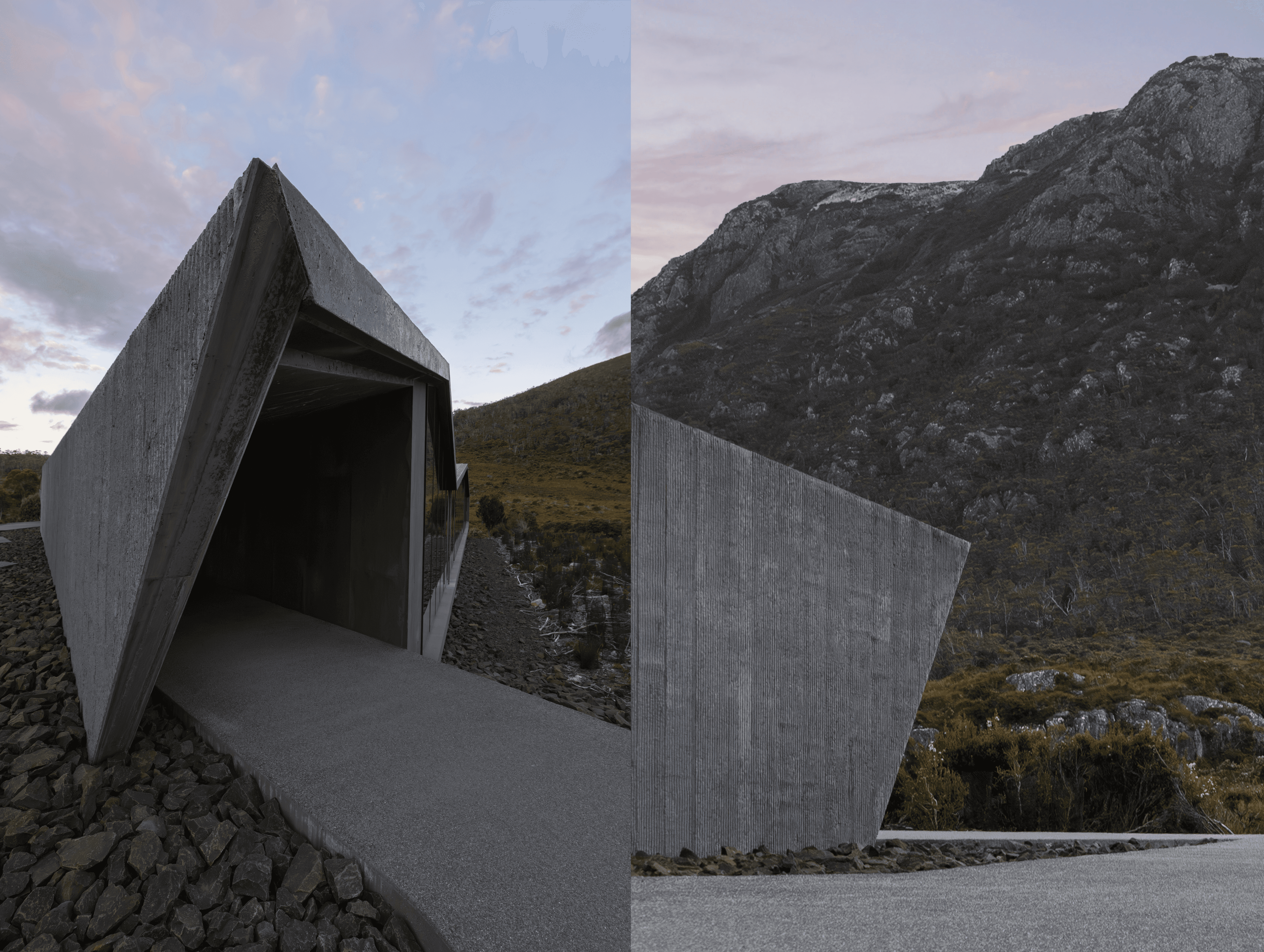
In photo: Utilizing the pavement as a clean horizontal base and the concrete wall as a vertical frame creates a structured entryway for the viewer’s eye, guiding it directly into the wild, unrefined landscape of the park.
Edges and thresholds guide the eye. Layering foreground, midground, and background allows structure and landscape to read as one composition. Changing weather becomes part of the image, adding atmosphere and altering meaning.
Rather than isolating a single moment, it’s often more effective to work in sequences, where movement reveals relationships a static frame can’t.
The photographer and architect share a similar role: both shape how a landscape is seen.
Beyond the Frame
At the Dove Lake Interpretation Centre, architecture isn’t the subject. It’s the lens through which the landscape is understood.
The terrain remains wild and constantly shifting. The building doesn’t try to control it, it brings it into focus.
Good architecture doesn’t just show the landscape. It changes how you see it.
[ Other magazine ]